




What is padel? Rules, gear and how to start
What is padel and how do you play it? Learn the basic padel rules, scoring, court setup, equipment and beginner tips in this complete guide.

Find a club, an open court, a tournament, or a coach in your city.
A short snapshot of activity over the last 30 days.
 Богдан Левчук
 Artur Bondar
 Roman Bodnar
 Illia Kovalenko
 Сергей Ч
Find a club nearby and book a court in a few clicks.
The nearest free hours at clubs in Vienna. Pick a slot or open the full search.
Padel has gone from insider tip to trend sport in Austria in a short time. On PADO you can find 160 padel clubs in more than 100 places today, from Vienna through Lower Austria, Upper Austria, Styria and Salzburg to Tyrol, Vorarlberg, Burgenland and Carinthia. Most clubs are in the Vienna area and in Lower Austria, but new courts keep opening in smaller towns too.
In Austria many people say 'Padel-Tennis', which is the same sport. It is played in doubles on a 20 × 10 metre court enclosed by glass and mesh walls. After the ball has bounced on the ground, it may hit the wall and stays in play. The racket is shorter than a tennis racket, has no strings and is perforated, and the ball is a little softer. That makes it easy to get started, and the first long rallies come after just a few minutes.
You can play on outdoor and on indoor courts. Demand peaks in summer, and in winter many players move to halls. Prices differ by club, time and day of the week: on weekdays in the morning and afternoon a court is usually cheaper than in the evening and at weekends. A court is for up to four players, who share the cost.
On PADO you compare clubs, prices and available slots across Austria, see all locations on the map and find tournaments and coaches near you.
What is padel and how do you play it? Learn the basic padel rules, scoring, court setup, equipment and beginner tips in this complete guide.
.jpeg&w=3840&q=75)
At some point it became clear that the problem was no longer how to run another tournament. They needed a system that would let them manage a large padel community in Warsaw properly.


Why tournaments with groups and playoffs are worth running in a padel community, how to work out participants, courts, matches and the schedule, and how PADO simplifies large tournaments.

Padel is a racket sport for four players played on a small court enclosed by glass and mesh walls. In Austria it is often called Padel-Tennis, which is the same sport. After the ball has bounced on the ground, it may hit the wall and stays in play, which makes rallies longer and the start easier than in tennis.
You serve underhand, after the ball has bounced on the ground, diagonally into the opponent's box. Scoring works like in tennis: 15, 30, 40, game. After bouncing on the ground the ball may hit the walls, but it must then go back over the net. Hitting the wall directly out of the air is not allowed. Padel is always played in doubles.
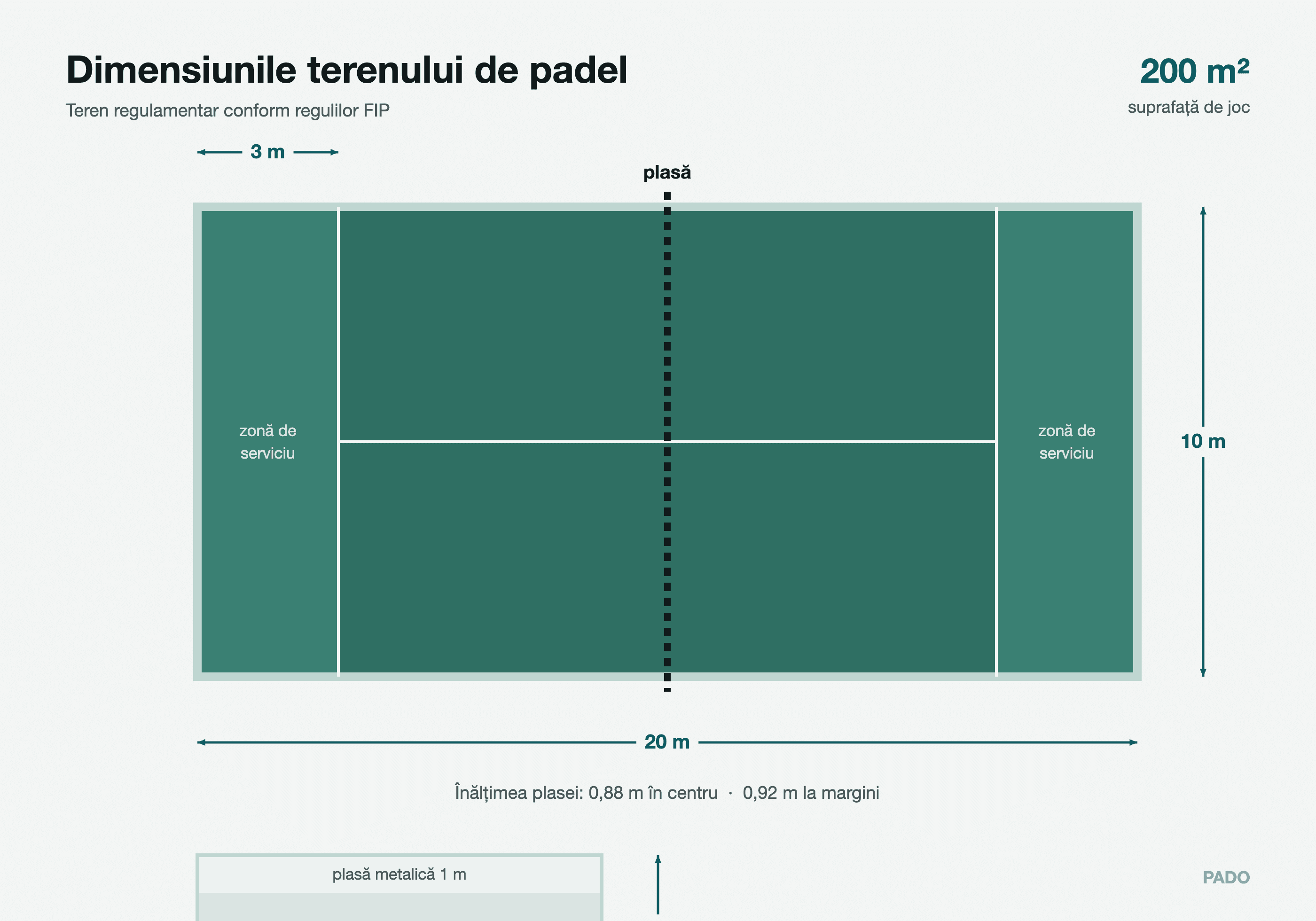
A padel court is 20 metres long and 10 metres wide, enclosed by glass and metal walls 3 to 4 metres high. That makes it much smaller than a tennis court.
It depends on the club, the time and the day of the week. Mornings and weekdays are cheaper than evenings and weekends. The price is per court for up to four players, so per person it comes out much lower. Current prices for each club are on the club's page on PADO.
No. Many clubs let you rent rackets and balls on site, usually for a few euros. For your first game, sports shoes and comfortable sportswear are enough.
Yes. Many clubs offer indoor courts in halls where you can play in any weather. You can see the prices and available slots of indoor clubs directly on each club's page on PADO.
No. Compared with tennis, the court is smaller, the walls are part of the game and the racket is a solid paddle without strings. Padel differs from pickleball by its walls and by always being played with four players.