




What is padel? Rules, gear and how to start
What is padel and how do you play it? Learn the basic padel rules, scoring, court setup, equipment and beginner tips in this complete guide.

Find a club, an open court, a tournament, or a coach in your city.
A short snapshot of activity over the last 30 days.
 Adrian AxyutinJas Hashmi
 Abel French
 Oleksii KlochkoAlbert X
Find a club nearby and book a court in a few clicks.
The nearest free hours at clubs in Miami. Pick a slot or open the full search.
Padel in the US is still a young sport, but 363 clubs across the country are already listed here, from dedicated padel halls with ten or more courts to a pair of courts at a tennis or country club. Many players come to it from tennis or pickleball, so the basics below cover the rules, the difference between padel and pickleball and what you need for a first session.
Two states hold two in five of all clubs. Florida leads with 84 clubs and Texas follows with 62. California has 29 and New York 23, then Pennsylvania with 11, Illinois with 9 and New Jersey with 8. Colorado, Ohio, Massachusetts, North Carolina, Virginia and Arizona have 7 clubs each, Connecticut and Utah 6. Clubs are listed in at least 33 states and the District of Columbia, and more than half of those states have four clubs or fewer, so outside the leading states a city often has one or two places to play.
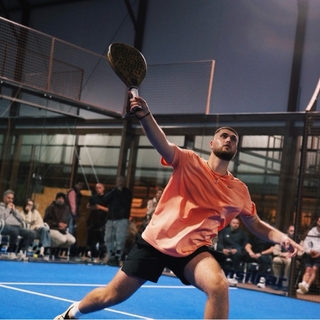
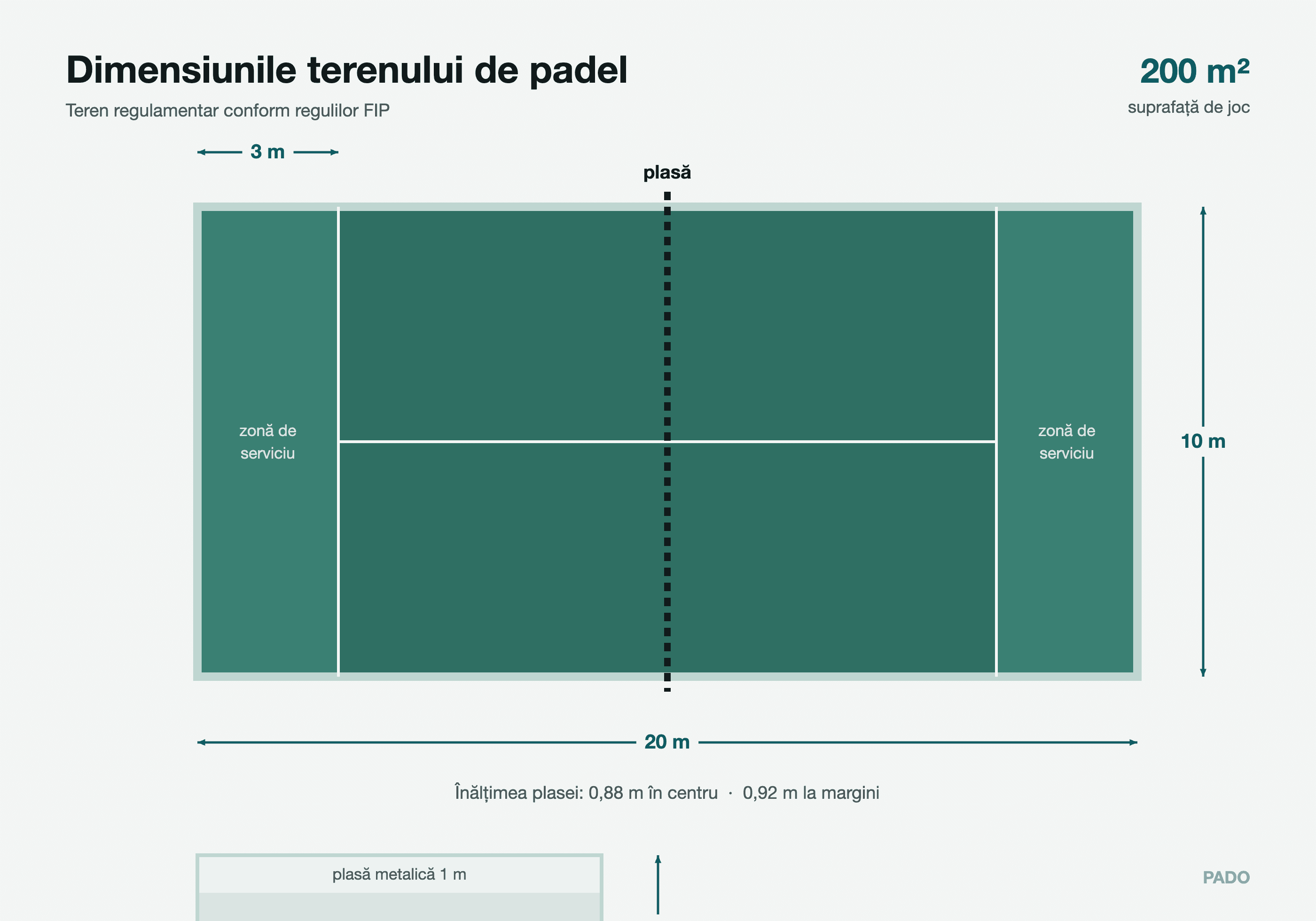
Padel is a racket sport played mostly in doubles on an enclosed court of 20 by 10 meters, about 66 by 33 feet, with glass and mesh walls around it. The scoring is the same as in tennis: 15, 30, 40, game and sets. The serve is underhand, hit at or below waist height after one bounce, and goes diagonally into the opponent's service box. During a rally the ball may bounce once on the ground and can then come off the walls before you return it. You may play it off your own walls, but a shot that hits the opponent's wall before the ground loses the point.
The two sports are often compared because both are social, mostly played in doubles and quick to learn. The court is the first difference: a pickleball court is 20 by 44 feet and open, while a padel court is larger and closed in by walls that are part of the game. Pickleball uses a solid paddle and a light plastic ball with holes. Padel uses a thicker, perforated racket without strings and a pressurized ball that looks like a tennis ball. In pickleball the ball must bounce once on each side after the serve, and players cannot volley from the non-volley zone next to the net. Padel has no such zone. Pickleball games usually go to 11, won by two, while padel keeps tennis scoring. Many clubs in the US run both sports side by side.
Padel tennis is simply another name for padel. People use it because the scoring and the net come from tennis. The game itself plays differently: the court is smaller, the walls keep the ball in play, the racket has no strings and the serve is underhand. Paddle tennis and platform tennis are different American sports with their own courts and rules, so padel is the right word when you search for a court.
You do not need your own racket for a first game. Many clubs rent rackets and sell balls at the front desk, and some have a pro shop where you can try different models. Each club page lists whether rental is available. Once you play every week, a racket of your own is worth it, and coaches at the club can advise on weight, balance and shape.
Open a city, then a club. Each club page shows the number of courts, opening hours and facilities such as showers, parking, coaching or a cafe, and whether courts are indoor, covered or outdoor where this is known. Where a club takes bookings through PADO, you see today's free slots and the current hourly price in USD, then pick a time and confirm. Courts are rented for the whole group, usually four players, so the price is shared. Some clubs are members-only, and their pages say so.
What is padel and how do you play it? Learn the basic padel rules, scoring, court setup, equipment and beginner tips in this complete guide.
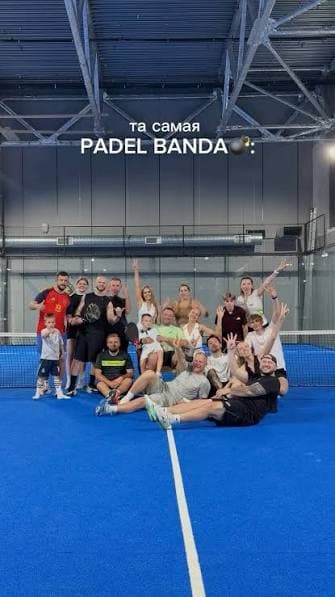
At some point it became clear that the problem was no longer how to run another tournament. They needed a system that would let them manage a large padel community in Warsaw properly.


Why tournaments with groups and playoffs are worth running in a padel community, how to work out participants, courts, matches and the schedule, and how PADO simplifies large tournaments.

Padel is a racket sport played mostly in doubles on a 20 by 10 meter court, about 66 by 33 feet, enclosed by glass and mesh walls. It uses stringless perforated rackets and a ball similar to a tennis ball. In the US, 363 clubs are listed, most of them in Florida and Texas.
The serve is underhand, below waist height, after one bounce, and goes diagonally into the opposite service box. The ball may bounce once on your side and can come off the walls before you return it. Scoring follows tennis: 15, 30, 40, game and sets.
A padel court is enclosed by walls that stay in play, while a pickleball court is open and smaller. Padel uses a perforated racket and a pressurized ball, pickleball a solid paddle and a plastic ball with holes. Padel keeps tennis scoring, pickleball games usually go to 11.
Yes. Padel tennis is another name for the same sport, used because the scoring copies tennis. The court is smaller and walled, the racket has no strings and the serve is underhand, so it plays quite differently. Paddle tennis is a different sport.
Florida has 84 clubs and Texas 62, followed by California with 29 and New York with 23. Clubs are listed in at least 33 states and Washington, DC, from one club in some states to dozens in others.